Author: NETEC

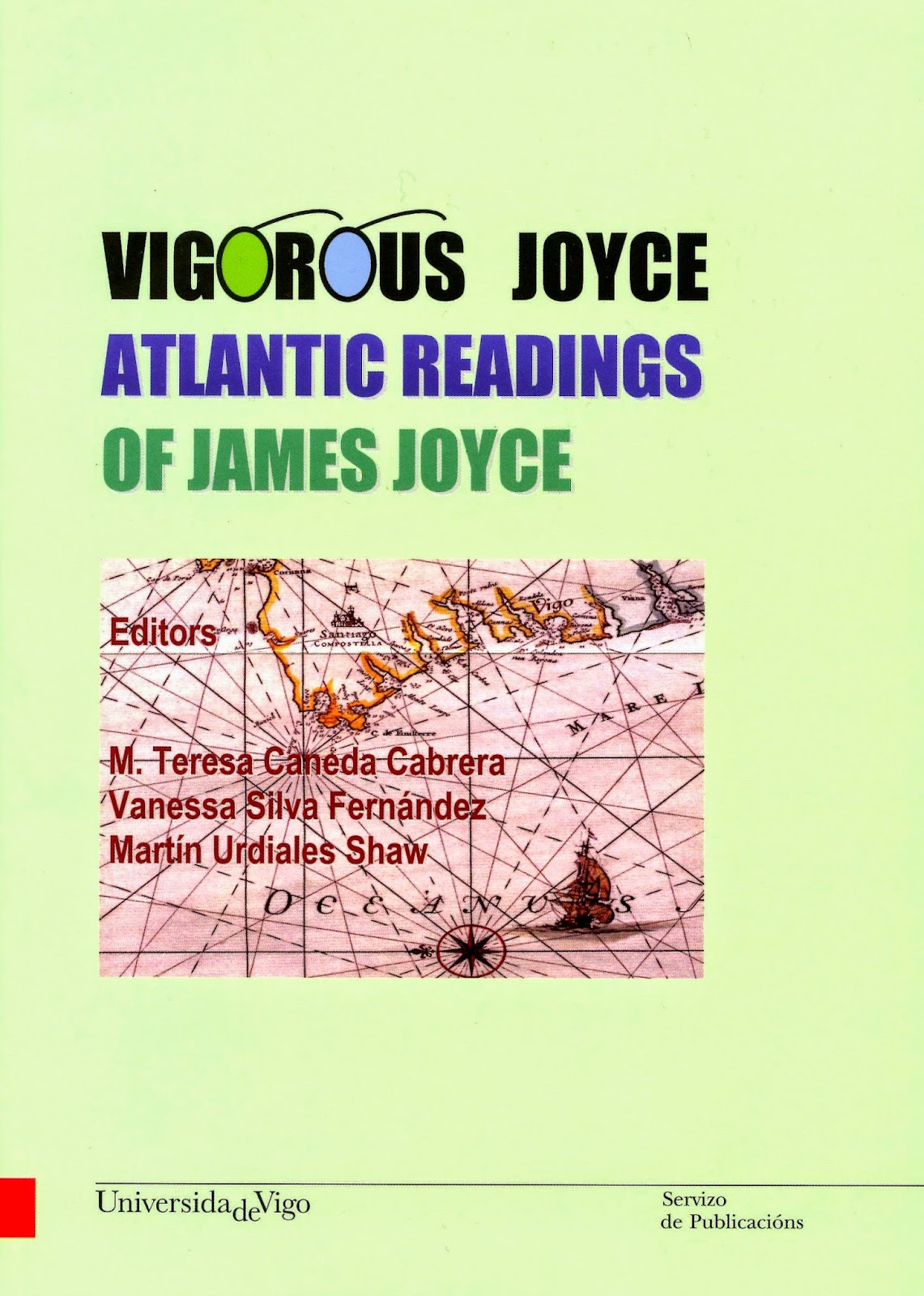
  • Vigorous Joyce

    Vigorous Joyce

    Edited book

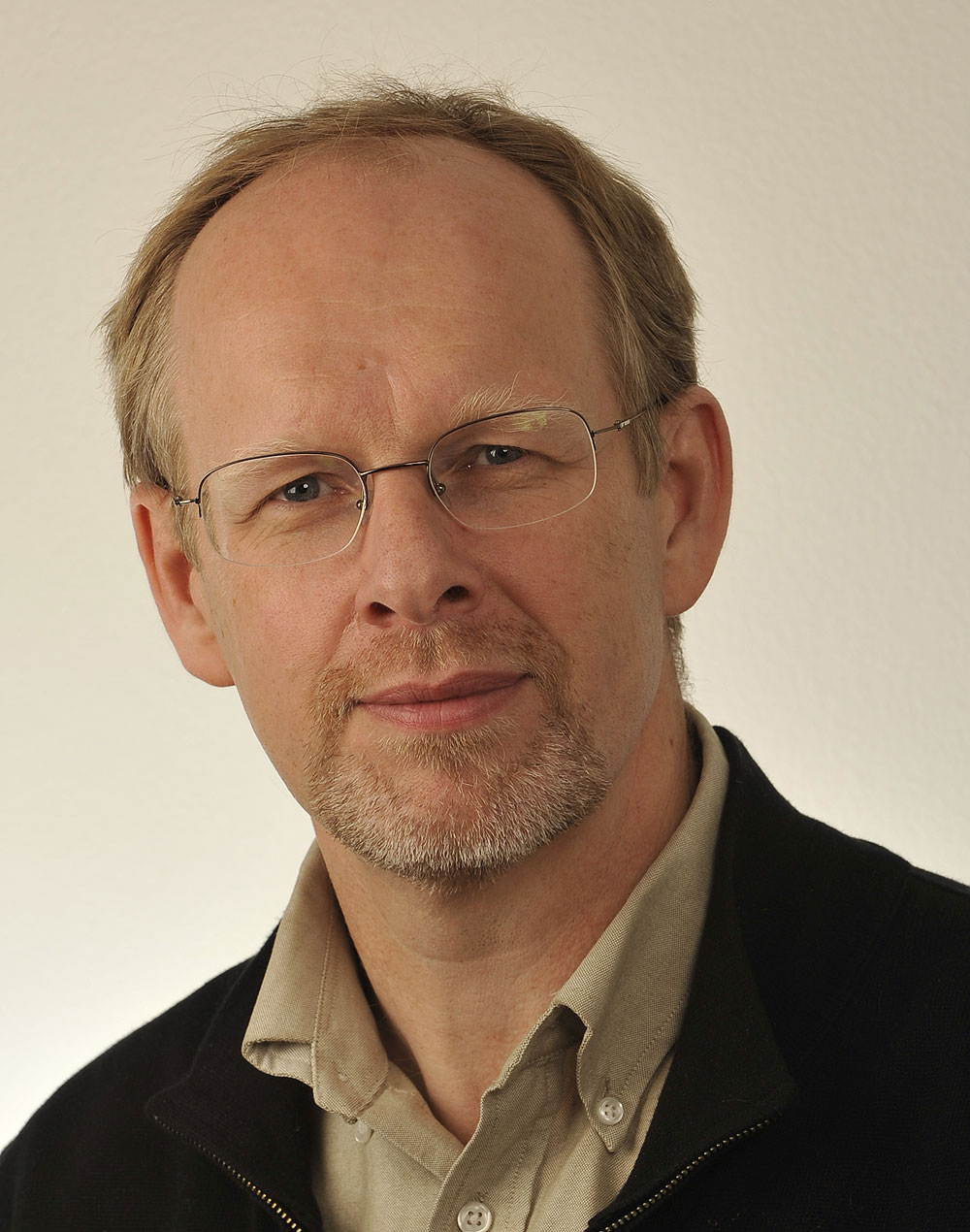
    Members: Teresa Caneda Cabrera (P. I.), Martín Urdiales Shaw

    (U Vigo Press, 2010).

    Eds. T. Caneda; V. Silva; M. Urdiales.

    Includes essays by reputed Joycean scholars and a selection of papers from the 19th Spanish James Joyce Society conference (Vigo, 2008).

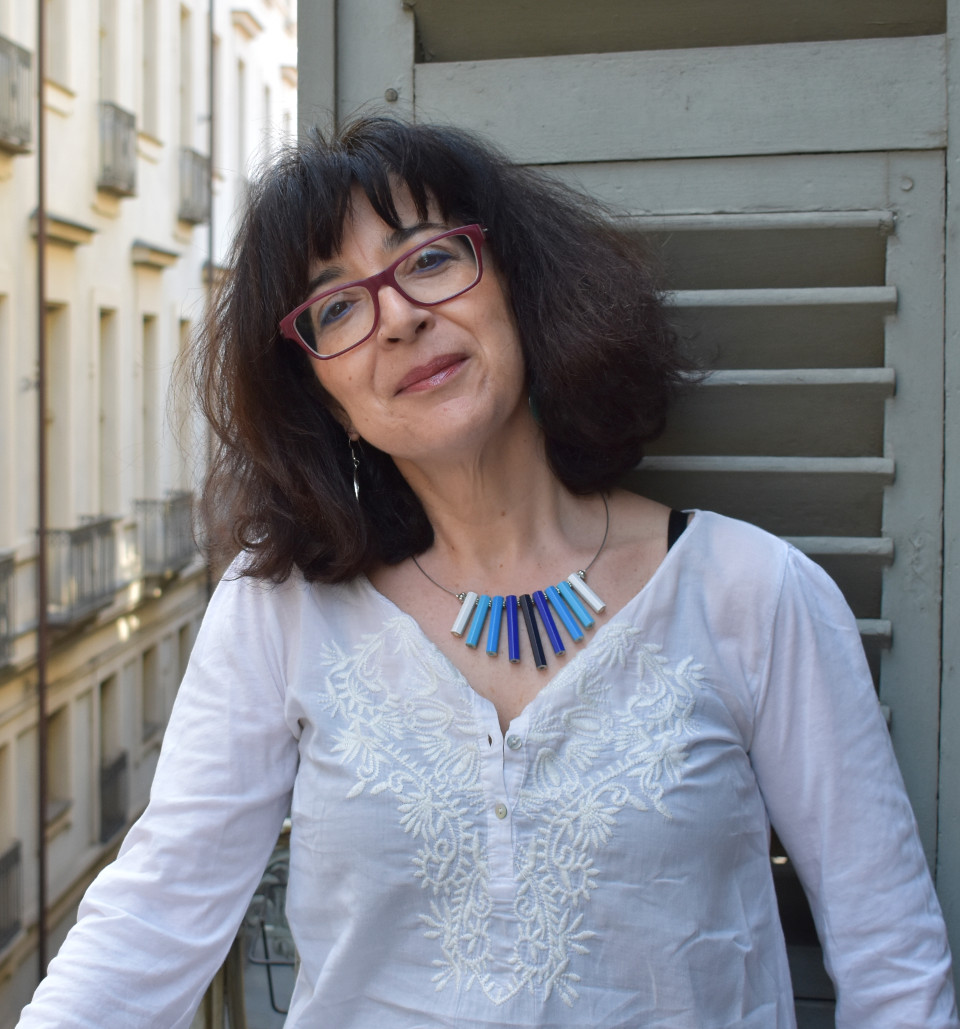
  • Teresa Caneda Cabrera  (P. I.)

    Teresa Caneda Cabrera (P. I.)

    Convergences between Joyce Modernism and Translation

    My research has concentrated on translation as a form of negotiation between cultures and in relation to socio-political and intellectual frameworks. I have also explored transnationalism, foreignness and mobility in relation to Modernism and Translation Studies. My most recent publications have addressed the topics of silence and vulnerability in Contemporary Irish Fiction.


    In 2002 I published La estética modernista como práctica de resistencia en A Portrait of the Artist as a Young Man, a re-evaluation of the ideological implications of modernist aesthetics in the context of Joyce’s early fiction.

    Since then my research has concentrated mainly on the convergences between Joyce, Modernism and Translation. My more recent publications have addressed the translational poetics of “extraterritorial” Joyce and also the circulation and reception of Joyce’s translations.

    Current Research

    My current research concentrates both on translation as a form of negotiation between cultures and in relation to socio-political and intellectual frameworks vis-à-vis the concept of cultural mobility and on the exploration of cultural practices of silence in the contemporary literary production of Irish fiction writers. I was the PI of the research project  inTRUTHS “Inconvenient Truths: Cultural Practices of Silence in Contemporary Irish Fiction”, funded by the Spanish Ministerio de Economía y Competitividad and FEDER (2018-2021) and I am currently the PI of  inTRUTHS 2: “The Articulation of Communal and Individual Vulnerabilities in Contemporary Irish Writing” PID2020-114776GB-I00 funded by  MCIN/AEI (2021-2025)

    View publications here


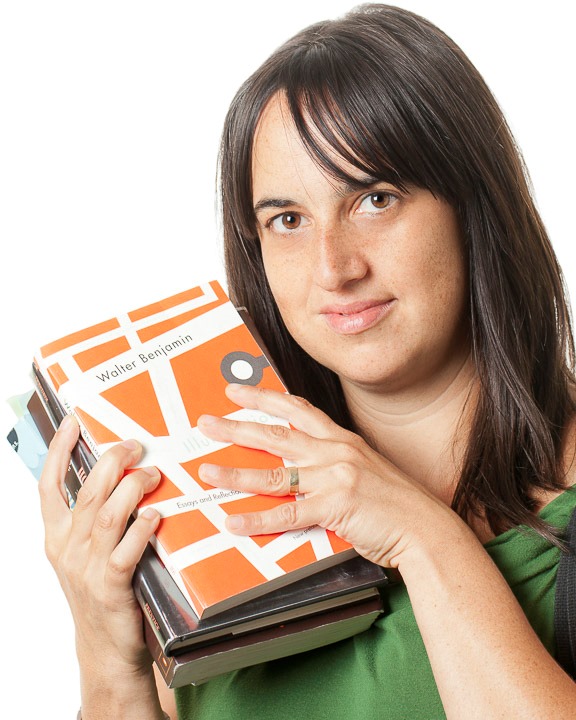
  • Martín Urdiales Shaw

    Martín Urdiales Shaw

    American 20th Century Literature

    My research focuses on American 20th century literature, mainly specializing in the fields of Jewish American prose, 1930s urban fiction and American popular culture. I am also interested in Holocaust Studies and have addressed issues of translatability and representational strategies in Jewish-American graphic-novels.


    I work on American 20th century literature, mainly specializing in the fields of Jewish American prose, 1930s urban fiction, American popular culture, graphic novels and Holocaust Studies. My publications include a monograph on Bernard Malamud’s oeuvre (Ethnic Identities in Bernard Malamud's Fiction, 2000), articles on the works of Malamud, Henry Roth, Clifford Odets, and Tillie Olsen and other 1930s writers.

    From 2010 to 2013 my research focused on Art Spiegelman's Maus, where I addressed issues of translatability and the relational nature of grapho-textual representational strategies, and on his post 9/11 work In the Shadow of No Towers.

    Current Research

    My recent research, within translation studies, includes the article "Between Transmission and Translation: The Rearticulation of Vladek Spiegelman's Languages in Maus" (Translation and Literature, 24:1, Spring 2015) and the book chapter "Fixing Bernard Malamud’s The Fixer through Translation: From El Hombre de Kiev (1967) to El Reparador (2011)" in Bernard Malamud: A Centennial Tribute (Wayne State UP, 2016).

    In early 2017, I had the honour of contributing a chapter to The Cambridge Companion to Saul Bellow, with the title "Race and Cultural Politics in Bellow's Fiction" (chapter 10; pp. 120-133). More recently, I have published work on the significance of spaces and sites in Edward Dahlberg's early autobiographical novels, pursuing a novel approach to this somewhat obscure American Jewish writer. 
    View publications here


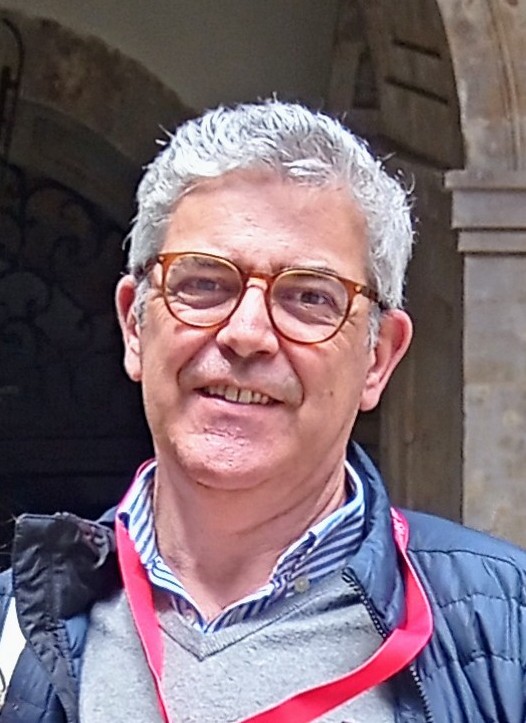
  • Jorge Figueroa Dorrego

    Jorge Figueroa Dorrego

    17th and 18th Century British Literature

    My research mainly focuses on 17th and 18th-century British literature and culture, with particular emphasis on comedy and prose fiction, women writers, and issues mostly related to gender, genre, transtextuality and humour. I have authored monographs on Aphra Behn and other 17th-century female novelists.


    Current Research

    My research mainly focuses on 17th and 18th-century British literature and culture, with particular emphasis on comedy and prose fiction, women writers, and issues mostly related to gender, genre, transtextuality and humour. I have authored monographs on Aphra Behn and other 17th-century female novelists, introductions to a Galician translation of two novels by Eliza Haywood and to a Spanish translation of John Crowne's comedy The Married Beau, as well as numerous articles and book chapters. Besides, I have co-edited several collections of essays and  an anthology of texts about laughter and humour from Classical times to the late 19th century. At the moment I am a member of the Restoration Comedy Project (Edition and Database) and a project on Political Utopia, Gender and Science  in Modernity through Margaret Cavendish.

    View publications here


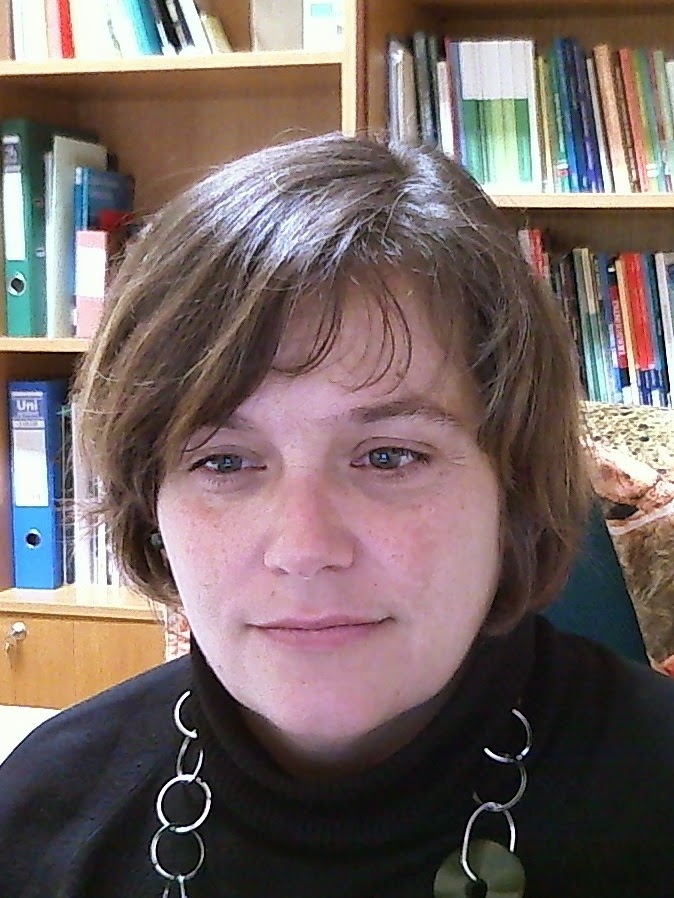
  • Araceli González Crespán

    Araceli González Crespán

    Female playwrights in contemporary American theater

    My research centrally focuses on female playwrights in contemporary American theater. I have continued interrogating female representations as depicted by female playwrights and have extended my theoretical tenets from semiotics to other approaches that include notions of ethnicity, multiculturalism and difference.


    My research centrally focuses on female playwrights in contemporary American theater.

    Current Research

    My work regarding Lillian Hellman’s female typology in her Southern plays allowed for a scholarship to study the “Lillian Hellman Collection” at the Harry Ransom Humanities Research Center (The University of Texas at Austin). As a result, I published my book Desafío y convención: Imágenes de la mujer sureña en Lillian Hellman (New Orleans: UP of the South, 2005). I have continued interrogating female representations as depicted by female playwrights and have extended my theoretical tenets from semiotics to other approaches that include notions of ethnicity, multiculturalism and difference in relation to plays by Afroamerican Beah Richards and Cuban-born María Irene Fornés.

    View publications here


  • The Task of the Translator: Kafka in Icelandic

    The Task of the Translator: Kafka in Icelandic

    • "The Task of the Translator: Kafka in Icelandic"
    • Friday 29 April , 10 am
    • Salón de Actos FFT
    • Ástráður Eysteinsson, Professor of Comparative Literature and Literary Translator, University of Iceland | Háskóli Íslands
    • Organized by: NETEC / Grupo de Investigacion T&P


    Professor Ástráður Eysteinsson graduated with a BA in German and English from the University of Iceland in 1979. He studied literature and translation studies at the University of Warwick in the UK and finished an MA there in 1981.

    In the years 1980-82 he was a student of German, English and Scandinavian studies at University of Cologne in West-Germany, before moving to the USA in 1982 where he took up doctoral studies at the University of Iowa alongside teaching there. He finished his PhD in 1987.

    During his years of study abroad Eysteinsson started translating literature into Icelandic. He has been active in that field ever since – he has for example translated Franz Kafka’s oeuvre into Icelandic in collaboration with Eysteinn Þorvaldsson.

    Eysteinsson has published his research results in both Icelandic and English, furthermore, he has been an academic editor nationally and internationally.

  • Charlotte Salomon, Graphic Artist:   A Feminist Lineage for Jewish Women’s Comics

    Charlotte Salomon, Graphic Artist: A Feminist Lineage for Jewish Women’s Comics

    • "Charlotte Salomon, Graphic Artist: A Feminist Lineage for Jewish Women’s Comics"
    • lecture video
    • Wednesday 16 , 4 pm
    • Salón de Actos FFT
    • Prof. Ariela Freedman (Concordia University, Montréal, Canada)
    • Organized by: NETEC


    Charlotte Salomon was a young Jewish artist from Berlin who fled Germany after Kristallnacht, and who hid in the South of France. From 1940 to 1942, she created over thirteen hundred small gouaches and sketches that together comprised a fictionalized autobiography. Salomon rejected a number of the gouaches, leaving a narrative sequence of nearly eight hundred paintings, which she left in the keeping of a family friend when she was deported to Auschwitz, where she was murdered. The paintings combine text and image. Early in the sequence, she wrote the textual element of the story on separate, semi-transparent pieces of paper, which she taped as an overlay above the paintings. Later on, she incorporated text into the images themselves. The entire series, including the paintings that Salomon rejected, is one of the most extraordinary and understudied artworks of the century. Salomon’s work is one of a kind; it is hard to imagine how she imagined her work would be seen at all, let alone how it might be adequately reproduced. As Griselda Pollock writes, Life? Or Theatre? is “one of the twentieth century’s most challenging art works…Yet, I, for one, am not sure that I can know fully what I am looking at.” But what if we say we are looking at a comic? Leben? Oder Theater? Ein Singespeil (Life? Or Theater? A Melodrama), might be among the most powerful graphic narratives ever drawn and written.

    But it is almost entirely absent in critical discourse on comics and on graphic narrative. Part of the reason for Salomon’s absence from comics history is that Life? Or Theater? is not a comic, strictly speaking: it was not drawn to be mass-produced, and was created largely in isolation from a comics tradition. Salomon’s work provides valuable precedent for one of the most significant movements in contemporary comics, graphic memoir and testimonial. In her playful, leading, open title as question — “Life? Or Theatre?”—she introduces the tension inherent in staging autobiography. In her concurrent claim to comics and high art, Salomon anticipates the move of contemporary comics back to the gallery wall. Her foregrounding of the personal and domestic against an implicated dark history prefigures the attempts of writers like Spiegelman, Satrapi and Eisenstein to map their own stories.

    Life? Or Theatre? may not be exactly a comic, but it is instead something richer and stranger: a graphic narrative of an ambition and scale that has not yet been replicated, that in many ways anticipates the conventions and preoccupations of contemporary graphic memoirs. This presentation will use the semiotic vocabulary developed by comics theorists to explore Salomon's use of word and image, to argue for Salomon's place in the emergent comics "canon" and her importance as a multidisciplinary artist.

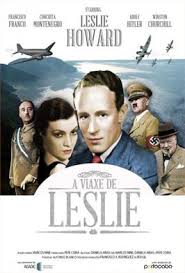
  • Film “A Viaxe de Leslie” (2014) & Director Marcos Nine

    Film “A Viaxe de Leslie” (2014) & Director Marcos Nine

    • "A Viaxe de Leslie" (Leslie's Journey) & question session with film director Marcos Nine
    • Monday 11 April , 4 pm
    • Salón de Actos FFT
    • Organized by: NETEC and Facultade de Filoloxía e Tradución
    • trailer: elviajedeleslie.com/home-2/


    A VIAXE DE LESLIE (Leslie's Journey)
    Marcos Nine, 2014 | 75 mins.

    Filigrana que xoga na ambigua fronteira do documento e a ficción, construída enteiramente con material de arquivo (traballo que lle valeu a Marcos Nine un Mestre Mateo á mellor montaxe), A viaxe de Leslie fala da vida coñecida e da causa (especulada) da morte do actor británico e galán hollywoodense Leslie Howard. Unha trama que viaxa do espionaxe internacional aos entresixos dunha persoalidade peculiar para conducirnos ao que fose a última viaxe de Leslie que lle trouxo, precisamente, a Galicia: o que emprendeu a bordo do avión comercial que foi derribado, sen deixar supervivintes, por un escuadrón alemán fronte á costa de Cedeira durante a Segunda Guerra Mundial. Unha posible (e emocionante) reescritura da historia cuxa tinta son as imaxes que a rutilante carreira de Howard, e o cinematógrafo, foi deixando ao seu paso na convulsa primeira metade do século XX.


  • Translators and the Making of History:  Gertrude Stein’s Paradoxical Relationship to France

    Translators and the Making of History: Gertrude Stein’s Paradoxical Relationship to France

    • "Translators and the Making of History: Gertrude Stein’s Paradoxical Relationship to France" 
    • lecture video
    • December 1st, 10 am
    • Salón de Actos, Facultade de Filoloxía e Tradución (FFT).
    • Judith Woodsworth, University of Concordia (Montréal).
    • Organized by: NETEC & Dpto. de Filoloxía Inglesa, Francesa e Alemá


    Abstract


    This year marks the twentieth anniversary of the publication of Translators through History. When compiling the first edition in 1995, Jean Delisle and I chose to shine the spotlight on translators and the ways in which they have shaped history. This decision to concentrate on the translator and other agents, rather than the process or the product, was not an obvious choice in a discipline that had hither to been so focused on the text. For centuries, for example, discussions had dealt with how faithful a translation was to the source text or, on the other hand, the way in which translations were made to fit the norms of the target culture. In this book (and particularly in the latest English and French editions), translators are examined in the social, political, economic or religious contexts in which they worked.

    In the intervening years, there have been many studies in the field of translation history; it is an area that has thrived, even exploded, although significant gaps remain. My recent work addresses one such gap by looking at writers who translate – at their motivation to translate and at the specific, often complex, tensions that arise with regard to their status as author/translators.

    My talk delves into a particular case study, that of writer Gertrude Stein, for whom the act of translation is related to a paradoxical relationship to France and the French language. There was always some degree of non-translation in her translation projects: her alleged, possibly fictitious, translation of Flaubert; her problematic translation of and eventual dispute with a surrealist poet; and her aborted translation of the speeches of Vichy leader Maréchal Pétain. Despite her notoriety as an avant-garde writer and supporter of modern art, Stein the translator was moulded by the events she experienced. To use the words of Martin Luther King, she was among those who were ‘made by history’, as opposed to other translators who could more accurately be described as ‘makers of history’.

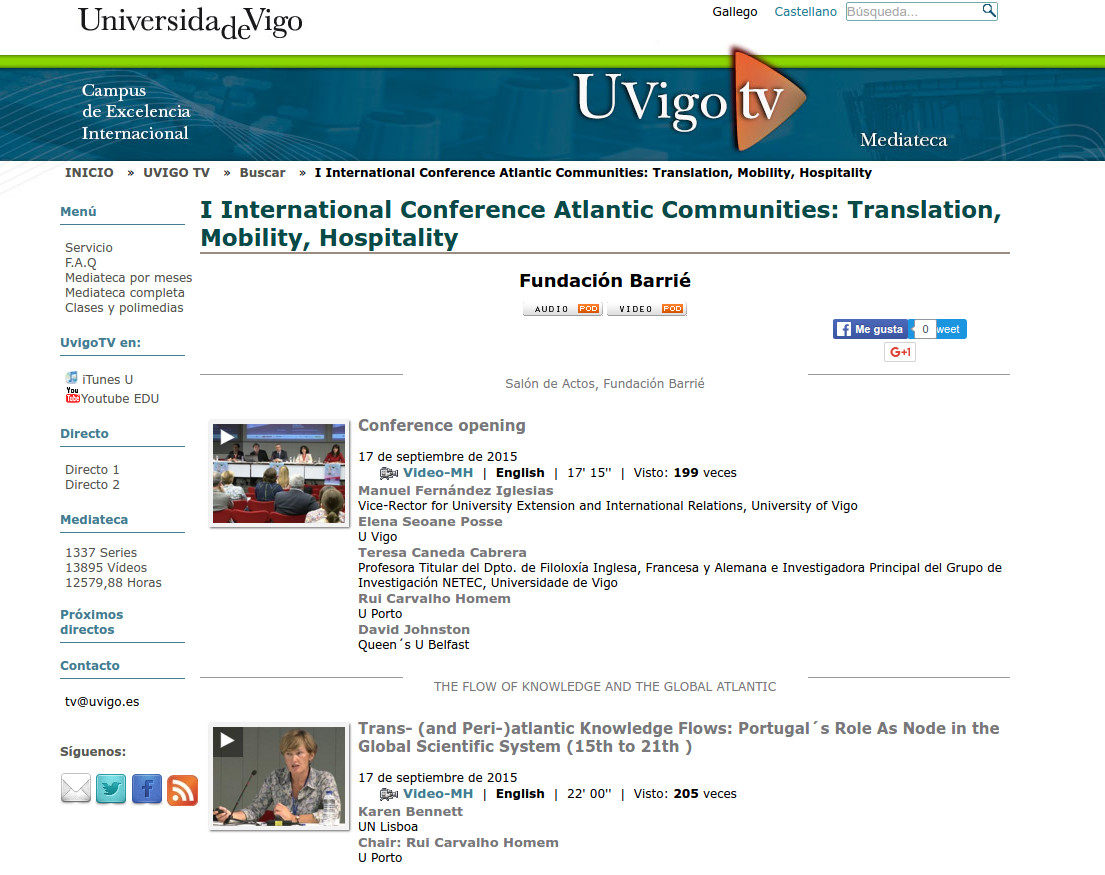
  • Audiovisual recordings of the I International Conference Atlantic Communities: Translation, Mobility, Hospitality

    Audiovisual recordings of the I International Conference Atlantic Communities: Translation, Mobility, Hospitality

    • "Audiovisual recordings of the I International Conference Atlantic Communities: Translation, Mobility, Hospitality"
    • Conference Website
    • Videos


    Audiovisual recordings of the I International Conference Atlantic Communities: Translation, Mobility, Hospitality, including conference panels, keynote lectures and writers' sessions have been uploaded to the UVigo tv online media services.